How to Polish Metal on a Vehicle
Bright metal details can lift the look of a car, van or truck, but polishing starts with knowing what the surface actually is. Bare polished metal, plated trim and coated parts may look similar while needing different care. Check the vehicle or part maker guidance and the product label before applying anything.
The current AJS Metal Polish information lists aluminium, chrome, stainless steel and brass, subject to the surface finish. It describes helping to remove oxidation and surface haze from dull or tarnished polished metal and bring back a reflective finish. It does not promise to repair scratches or leave a measured period of protection.
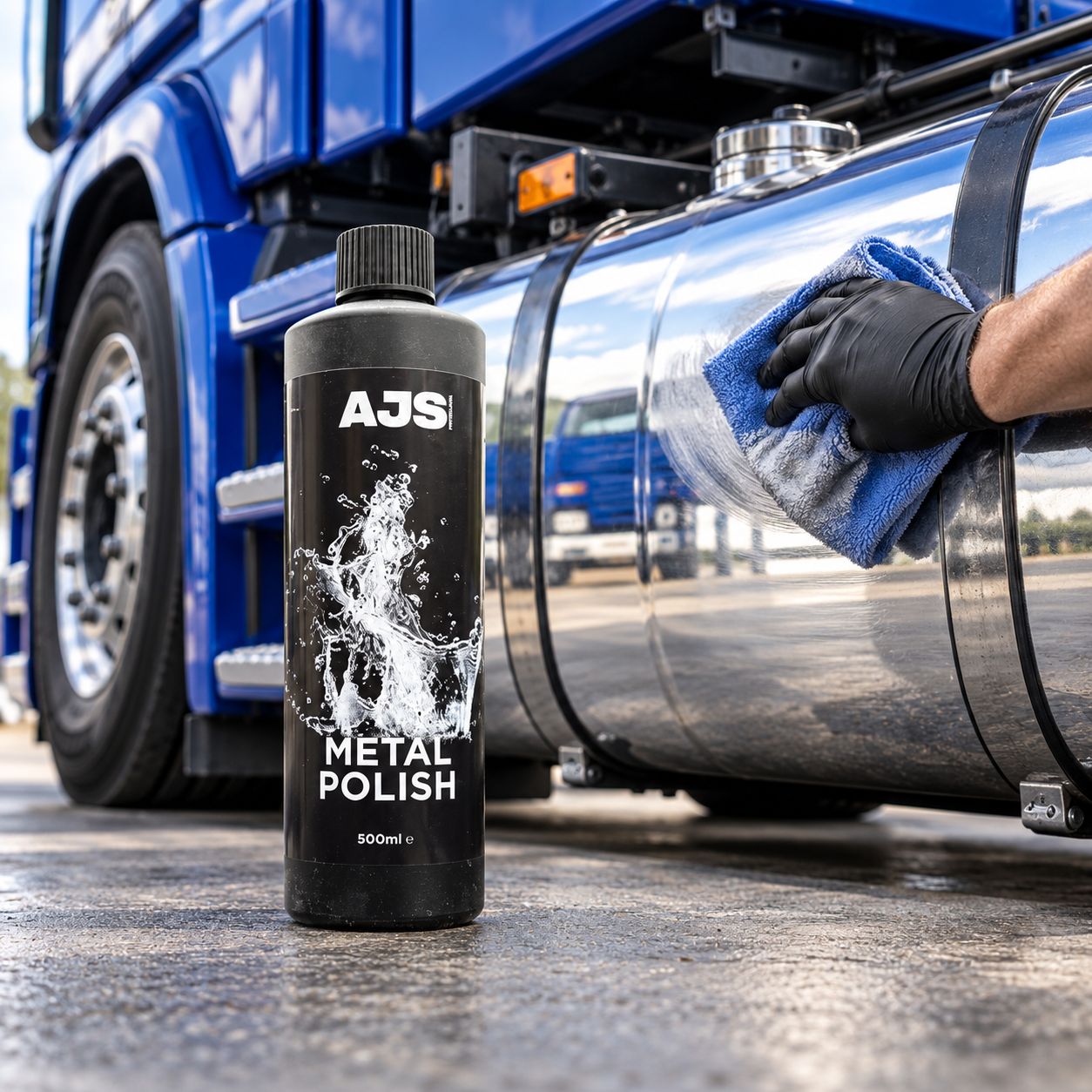
Identify and prepare the surface
Start by identifying the part and its finish. Look for manufacturer guidance about plating, paint, clear coat or other protective layers. If you cannot tell whether a part is coated, do not guess. The product instructions advise checking suitability for coated or plated surfaces before use.
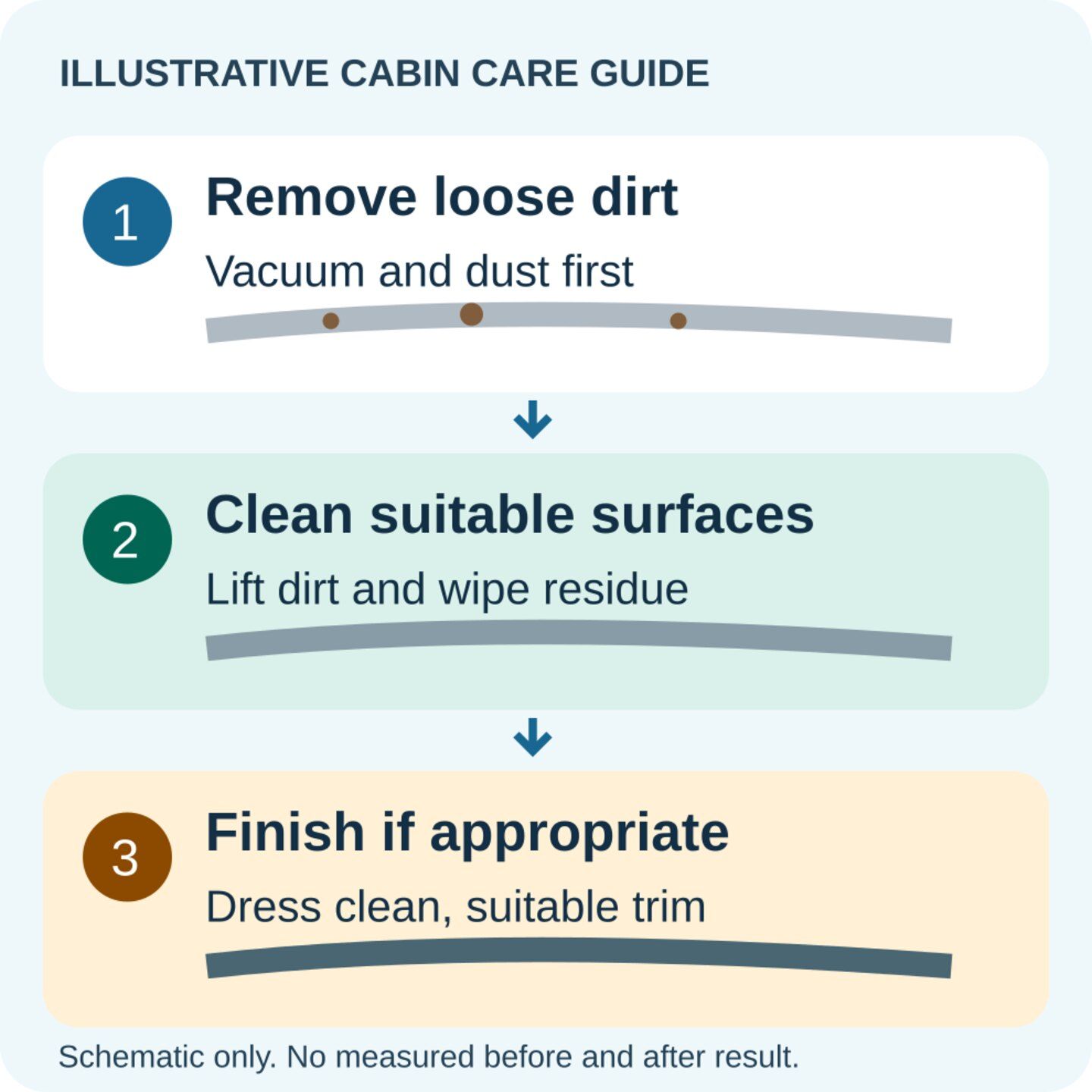
Clean away loose dirt before polishing so grit is not dragged across the finish. Work with clean applicators and cloths. Choose a small, inconspicuous test area when the label and surface maker allow it, and stop if the finish changes unexpectedly.
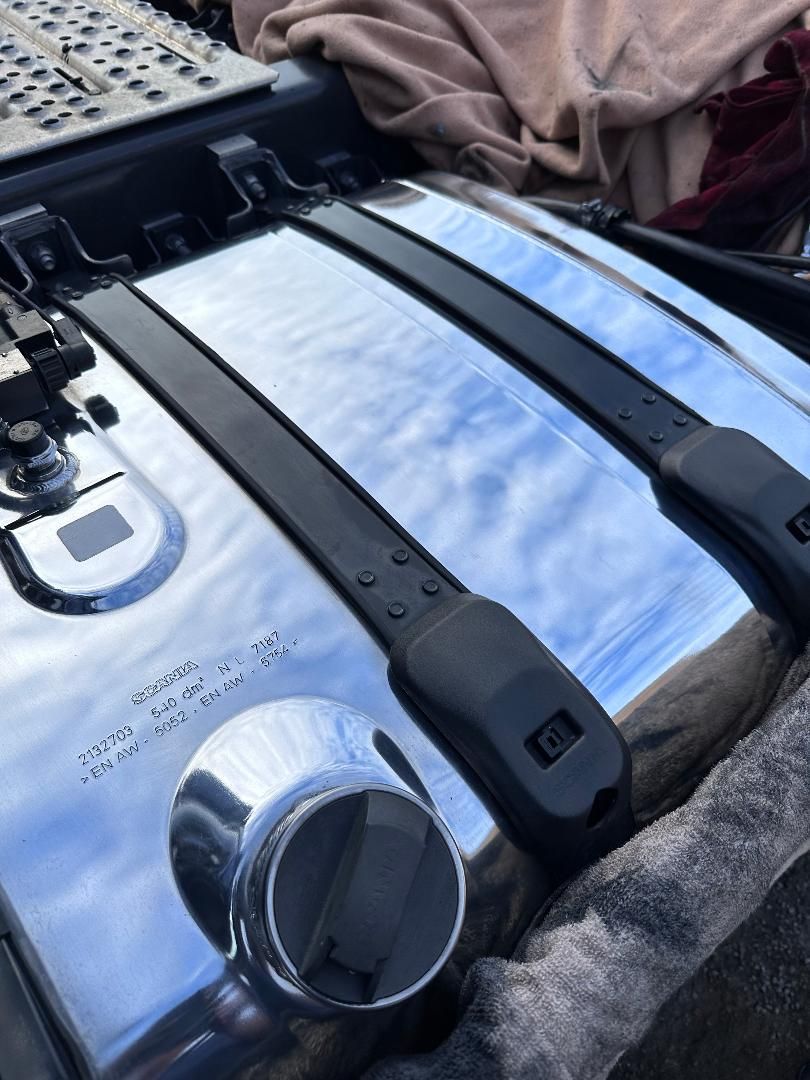
Apply a small amount and work methodically
The product instructions give three basic steps:
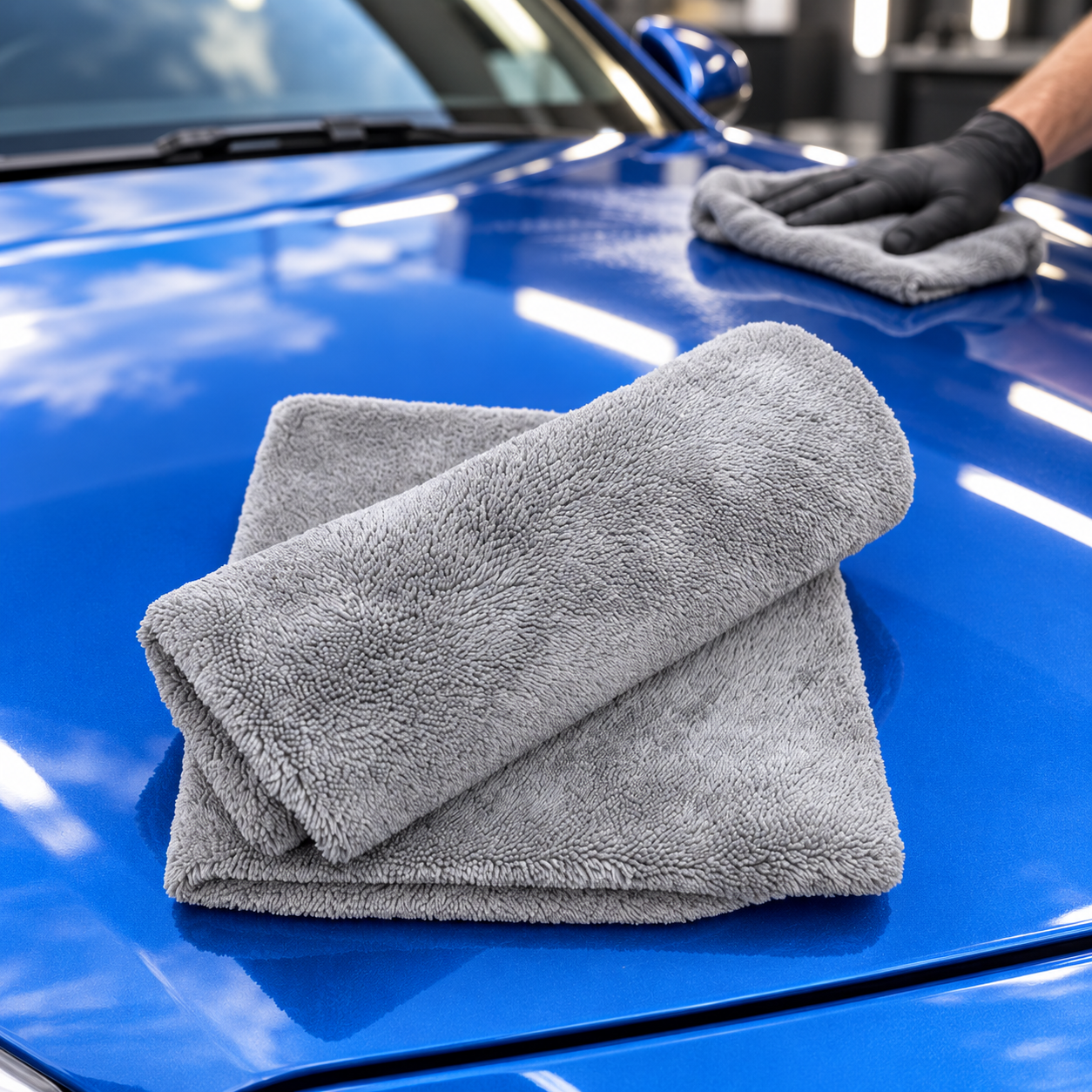
- Apply a small amount of polish to a microfibre towel, applicator pad or suitable polishing wheel.
- Work it into the metal with firm, overlapping pressure.
- Buff away residue with a clean, dry microfibre cloth.
Work a manageable section at a time and use a fresh cloth face as it picks up residue. Keep product on the intended metal surface, and avoid adjacent paint, plastics, rubber or glass unless their own care instructions say they are suitable. For product details, see the AJS Metal Polish product page.
What to expect and what not to assume
AJS Metal Polish is described as helping to remove oxidation and surface haze and restore a reflective finish on suitable metal. That is different from repairing physical damage. Do not rely on polish to fix deep scratches, damaged plating or failing clear coat. Those conditions may need advice from a specialist familiar with the exact finish.
Likewise, polishing should not be treated as a substitute for an unspecified protective coating. The current product details do not promise a nano layer or a set protection period. Keep expectations tied to the directions on the product page.
Comments reproduced from the original article
The original article included the following three customer comments without names displayed beside them. They are reproduced as comments from that earlier post, not as independently verified product testing.
“First time using your metal polish – really bloody impressed”
“Wheels done using AJS Detailing Metal Polish… leaves a clean look”
“ajs was correct!! one product that handles the job”
Keep a simple maintenance routine
There is no single polishing schedule for every vehicle. Inspect the surface during normal cleaning and follow the care instructions for the part. Repeated polishing is not automatically better, particularly when the material or finish is uncertain. For specific product questions, see the separate AJS Metal Polish FAQ.
The short version
Identify the finish, check compatibility, start with clean materials, use a small amount, work evenly and buff with a clean dry cloth. When a metal part is coated, plated or difficult to identify, stop and verify suitability before polishing.