This is a subtitle for your new post

The winter care edit
Winter Car Care: 7 Common Mistakes and How to Avoid Them
Road spray on Monday, muddy mats by Wednesday and another layer of grime before the weekend. A British winter can make keeping a car clean feel like a losing battle. The answer is not harder scrubbing or stronger mixtures. It is a sensible order, suitable products and a little patience.
These seven mistakes are easy to make, especially when daylight is short. Here is how to avoid them without turning every wash into an afternoon project.
1. Scrubbing road grime straight into the paint
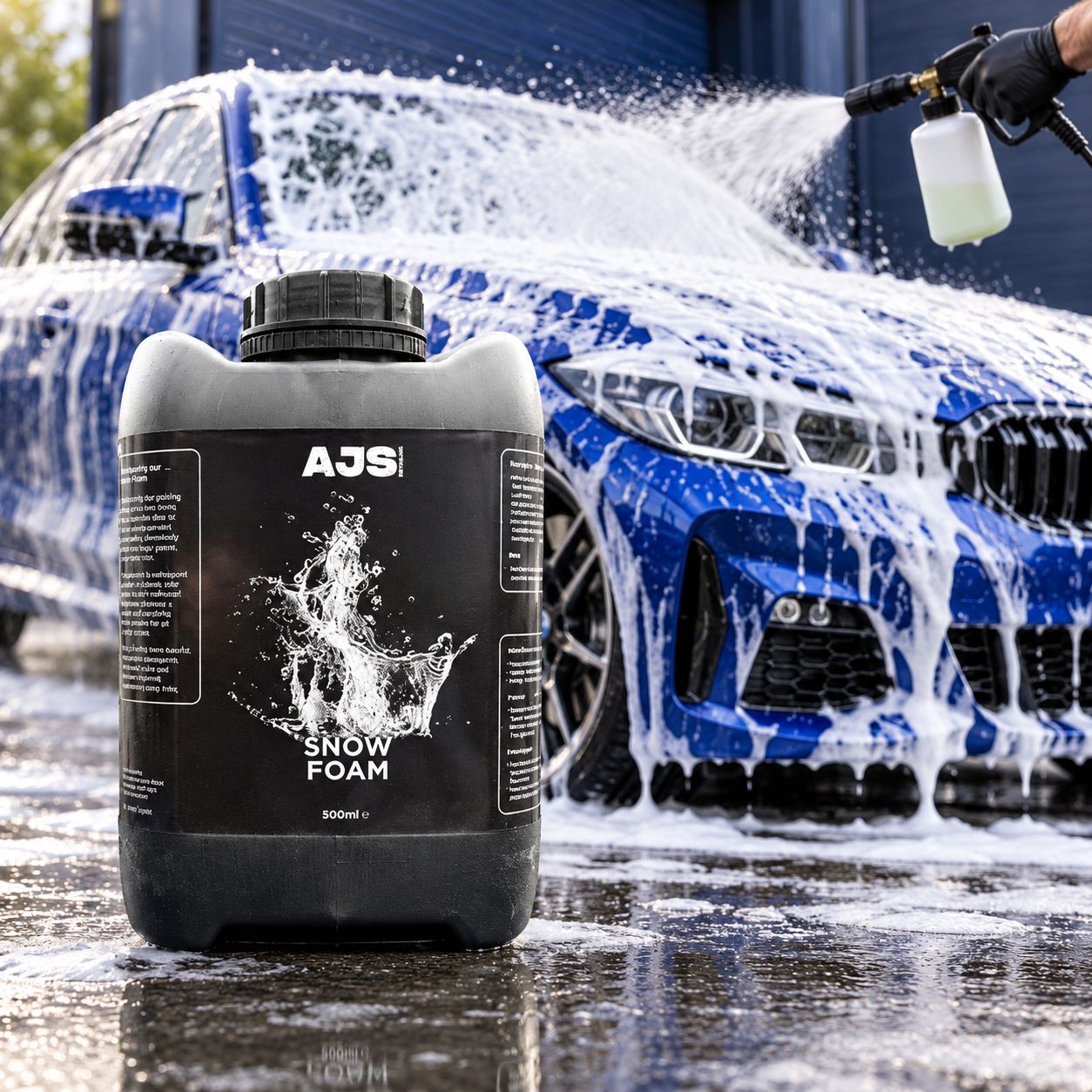
A dirty panel is not ready for a wash mitt. Grit trapped between the mitt and paint can leave marks, so loosen contamination before contact washing rather than attacking stubborn patches with extra pressure.
AJS Ultra Snow Foam is intended for this prewash stage. Its listing says to dilute according to the label, apply from bottom to top to a dry vehicle, allow 3 to 5 minutes and rinse thoroughly without letting it dry. Follow with a suitable contact wash using clean equipment. Foam is preparation, not permission to scrub remaining dirt harder.
2. Treating wheels and tyres as the same surface
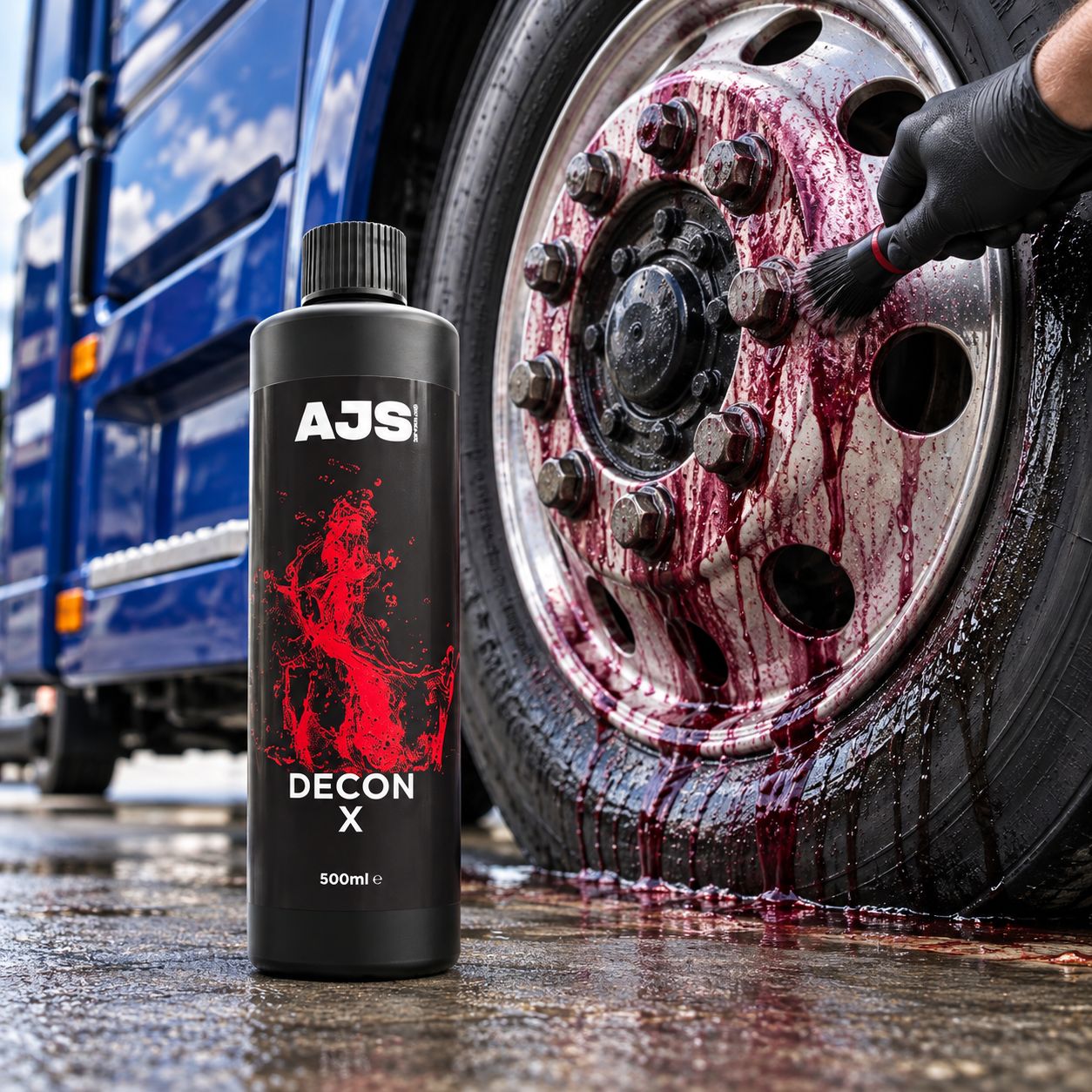
Wheels collect brake dust as well as road dirt. Tyre sidewalls need their own cleaning stage, and a shiny dressing does not replace it. Keep wheel brushes and cloths separate from paintwork tools.
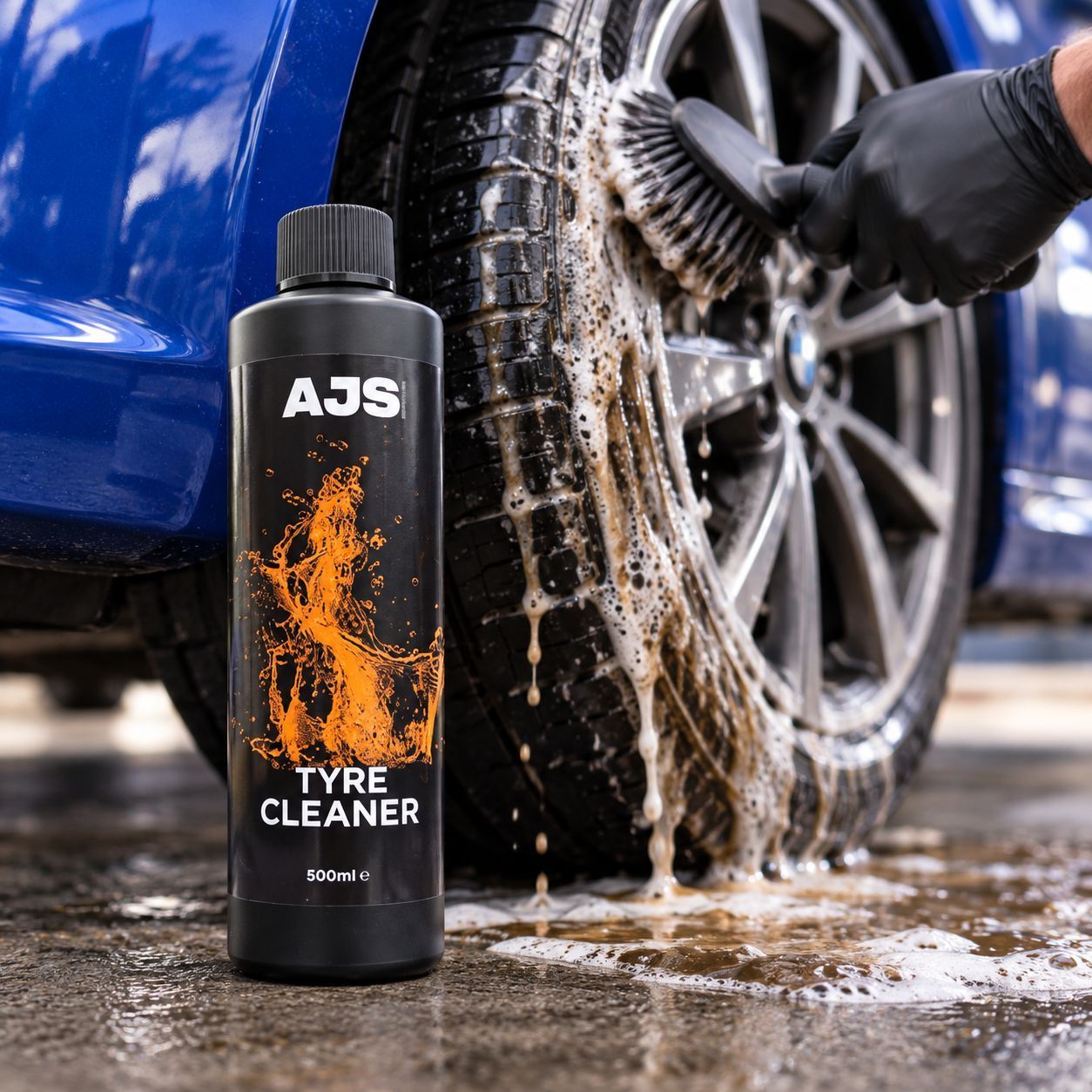
Decon X targets brake dust and iron contamination on suitable surfaces. The instructions specify cool wheels, no direct sunlight, a dwell of 2 to 5 minutes without drying and a thorough rinse. Check your wheel finish against the label first. AJS Tyre Cleaner is a separate cleaner used before an optional dressing, not a dressing itself. Keep any dressing off tread and braking surfaces.
3. Wiping glass with the nearest cloth
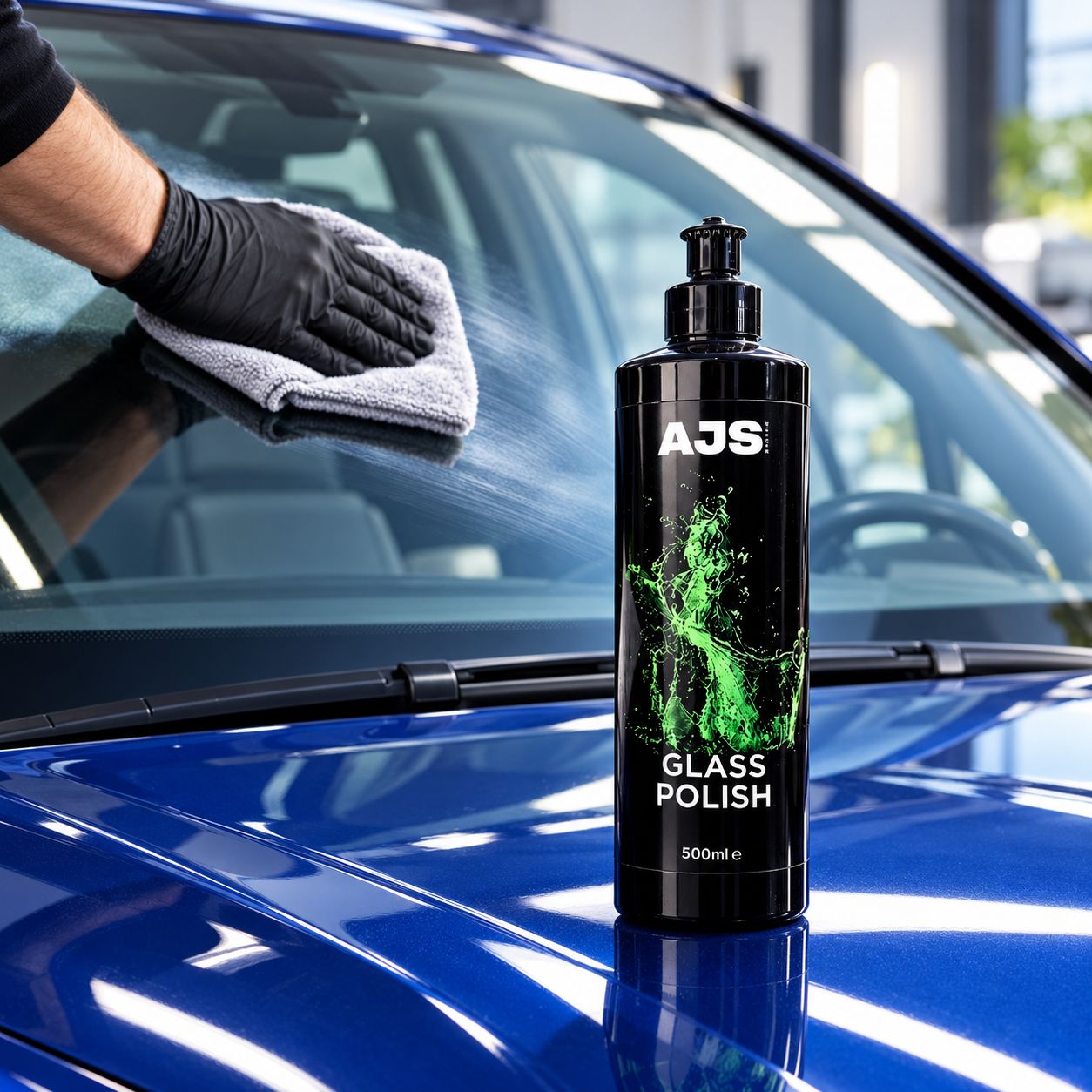
A cloth carrying wax or dressing can spread a greasy film across glass. Low winter sun and oncoming headlights make smeary windows particularly unwelcome. Use dedicated clean cloths and inspect the finish from more than one angle.
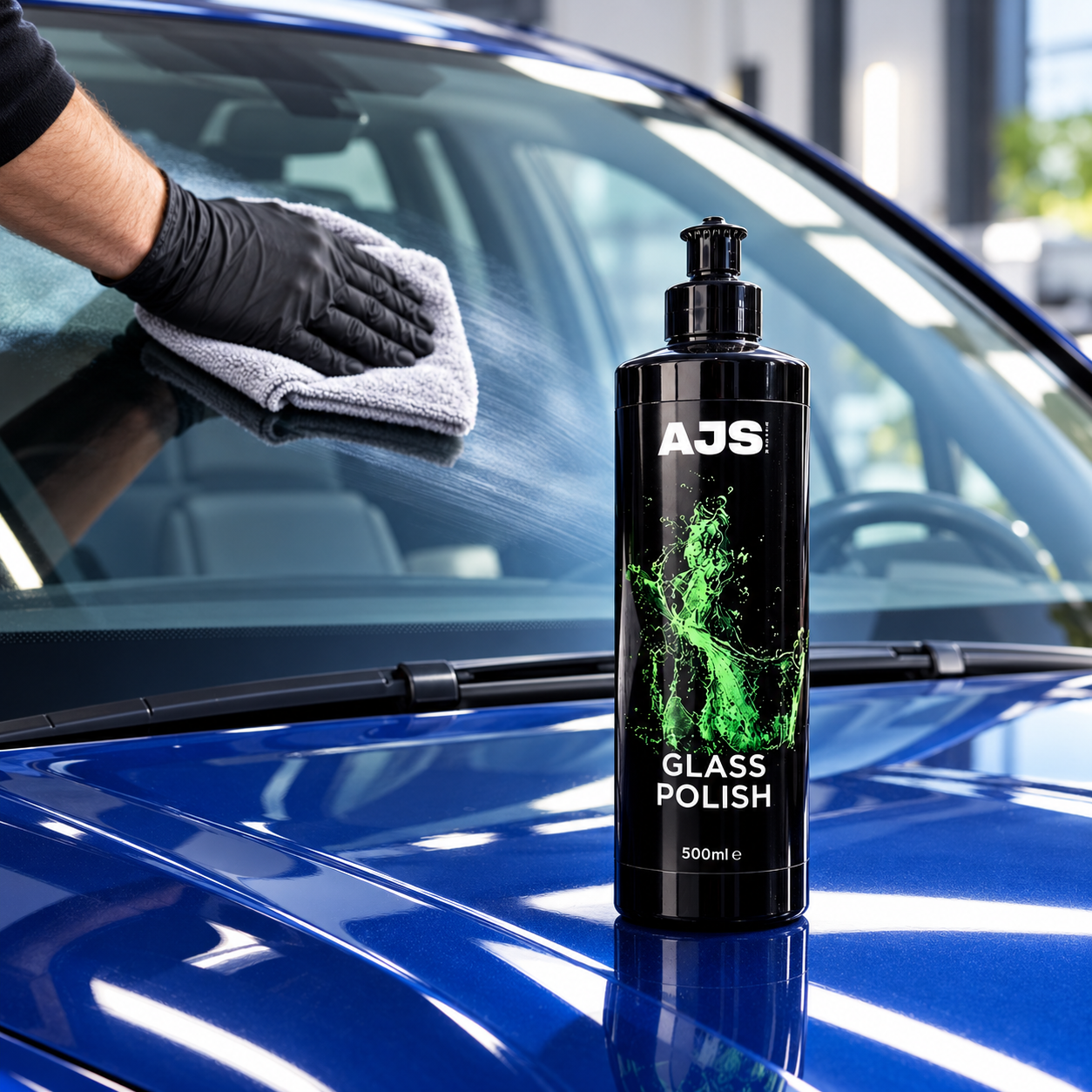
For suitable glass with stubborn surface film or water marks, AJS Glass Polish is an option after cleaning. The page specifies clean, dry, cool glass, a small amount on an applicator and buffing with a clean dry microfibre. Check coated or treated glass before use. Polish is not a deicer, and clean glass does not replace working wipers or correctly mixed screenwash.
4. Dressing exterior trim while it is still dirty
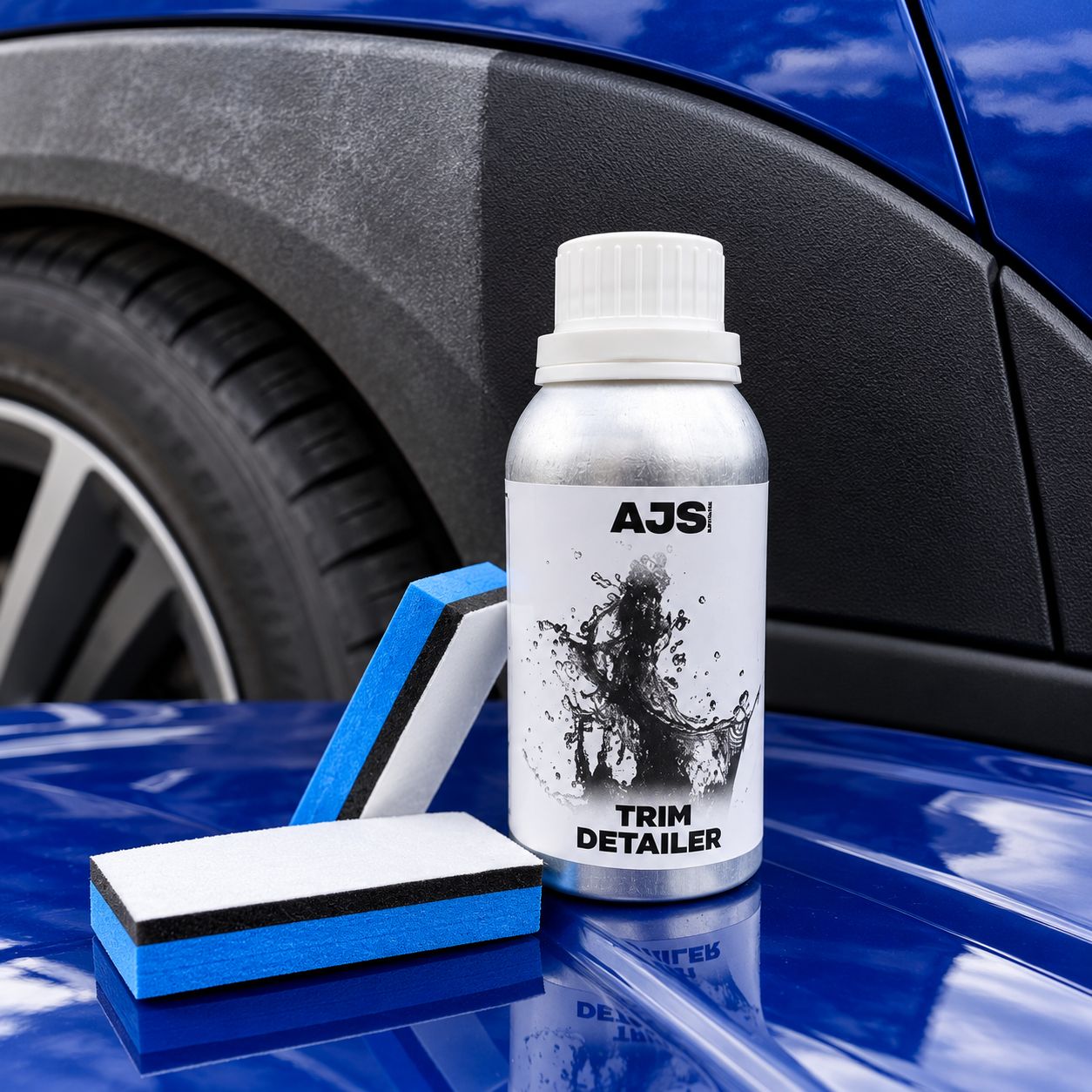
Adding a finishing product over muddy plastic skips the most important step. Clean the trim thoroughly, let it dry and check that the product suits that particular surface.
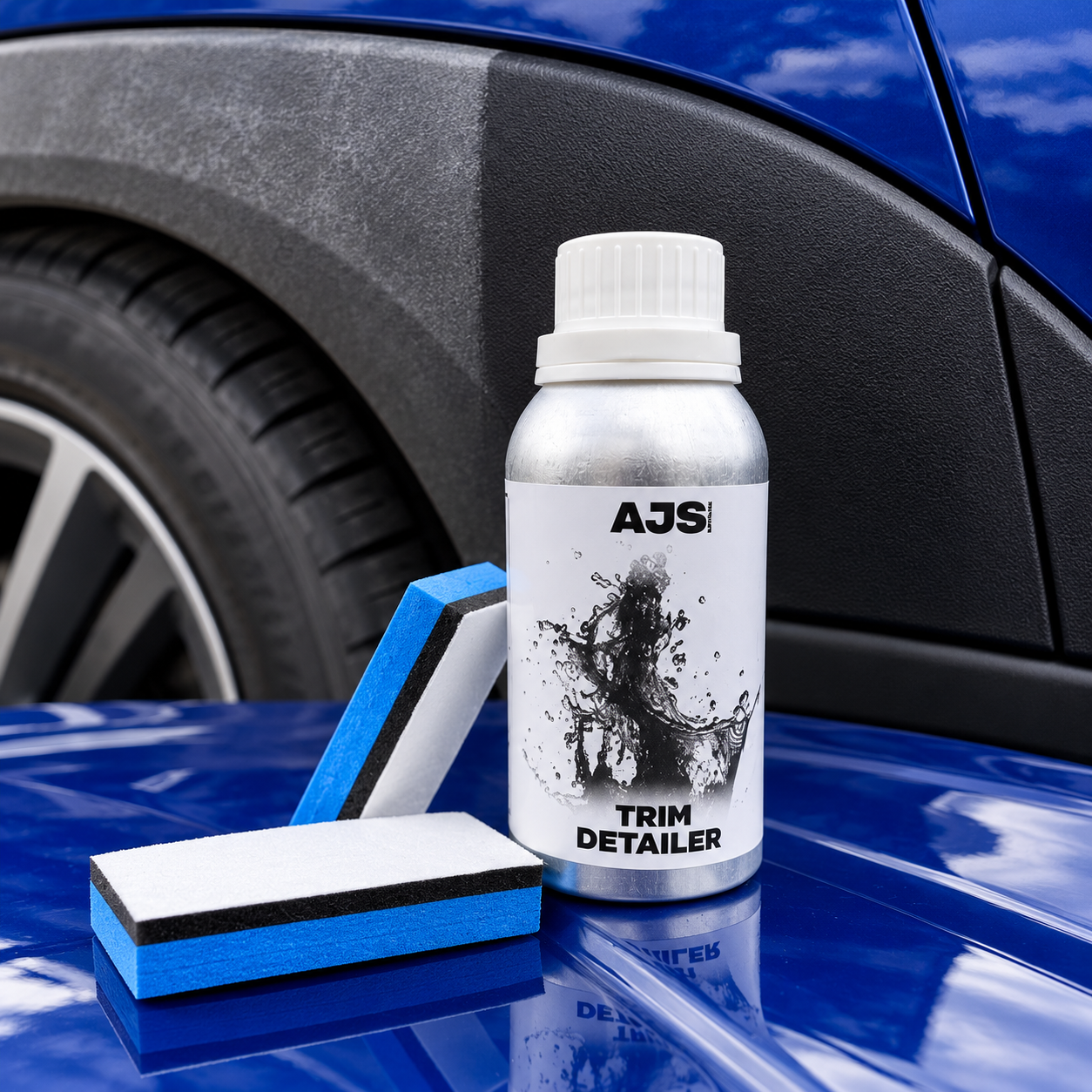
AJS Trim Detailer is described for suitable exterior plastic and rubber, including bumpers and mirror housings. Its directions call for a small amount on an applicator, an even spread, time to bond and cure, then removal of excess. Choose a weather window that lets you follow the label rather than rushing before rain. Exterior trim care is not a reason to coat pedals, steering wheels or other grip surfaces.
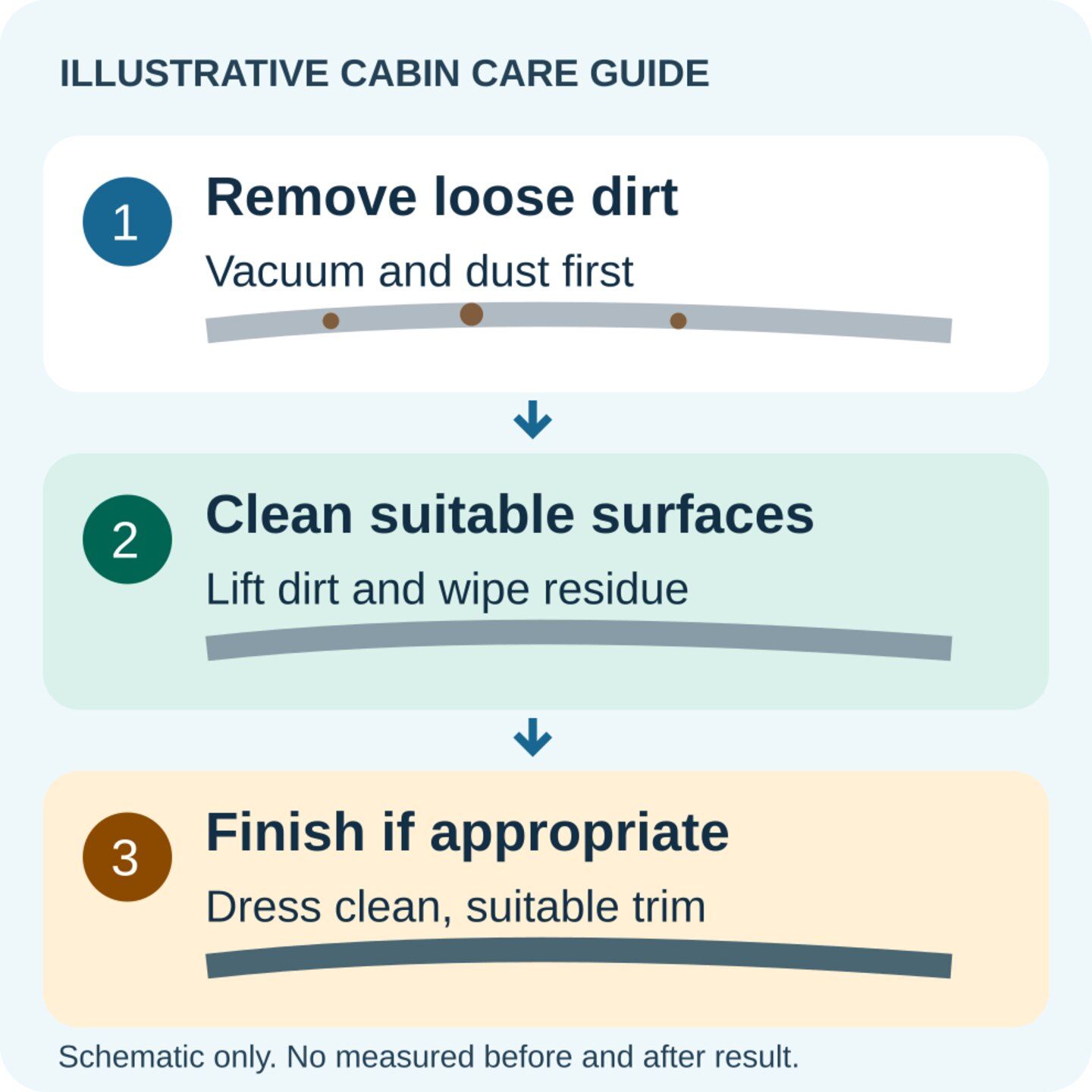
5. Soaking muddy interiors instead of removing loose dirt
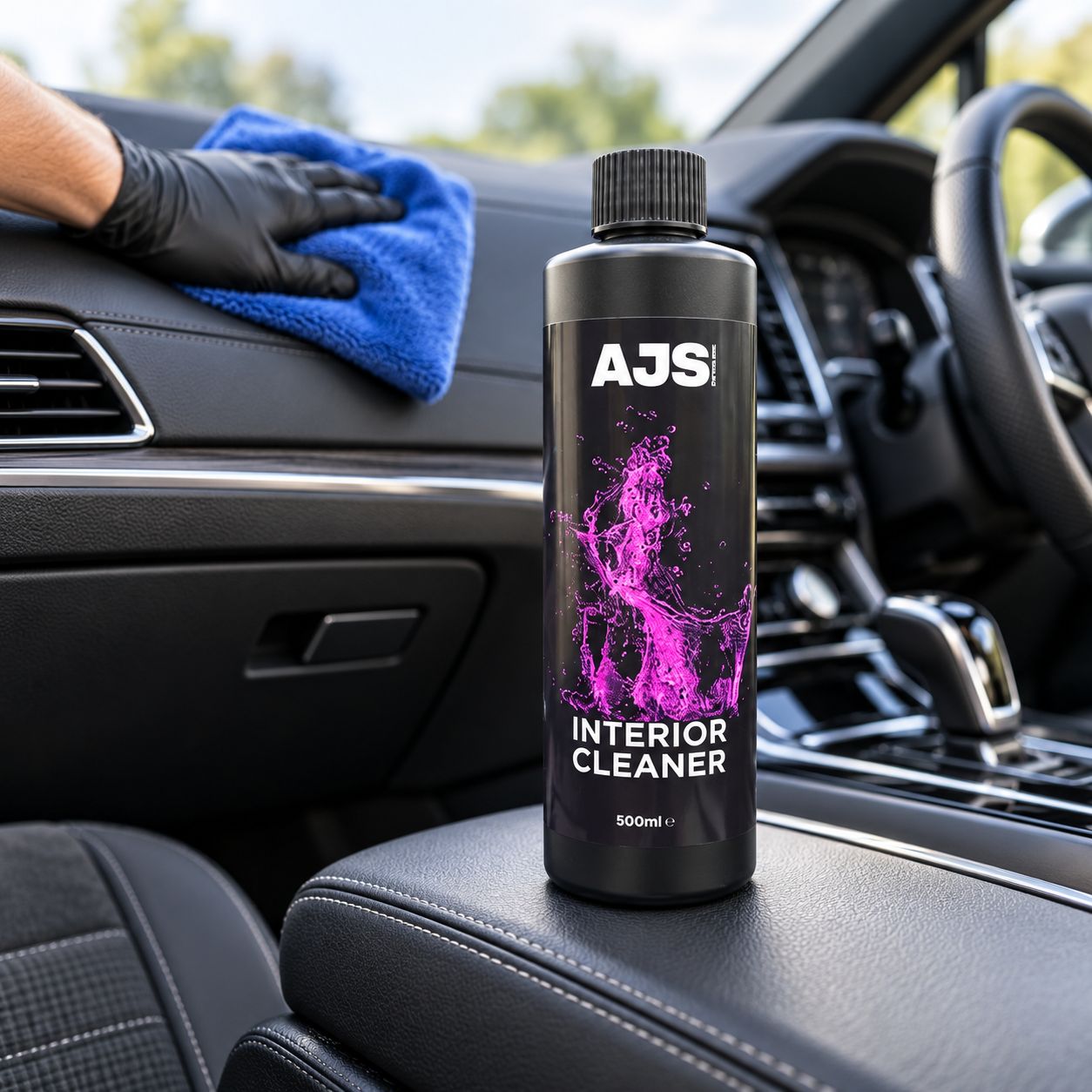
Lift out mats and remove loose grit before wet cleaning. Let mud dry enough to brush or vacuum away where practical, then tackle remaining marks gently. Soaking a seat or carpet adds moisture that is slow to dry in cold weather.
AJS Interior Cleaner is listed for suitable upholstery, plastics, vinyl, leatherette and trim. Test a hidden area first. Its instructions allow light application to the surface or a cleaning pad or cloth, gentle agitation and wiping away residue. Avoid saturating fabrics, switches or screens, and let mats dry before refitting them securely.
6. Spraying protection onto dirty paint
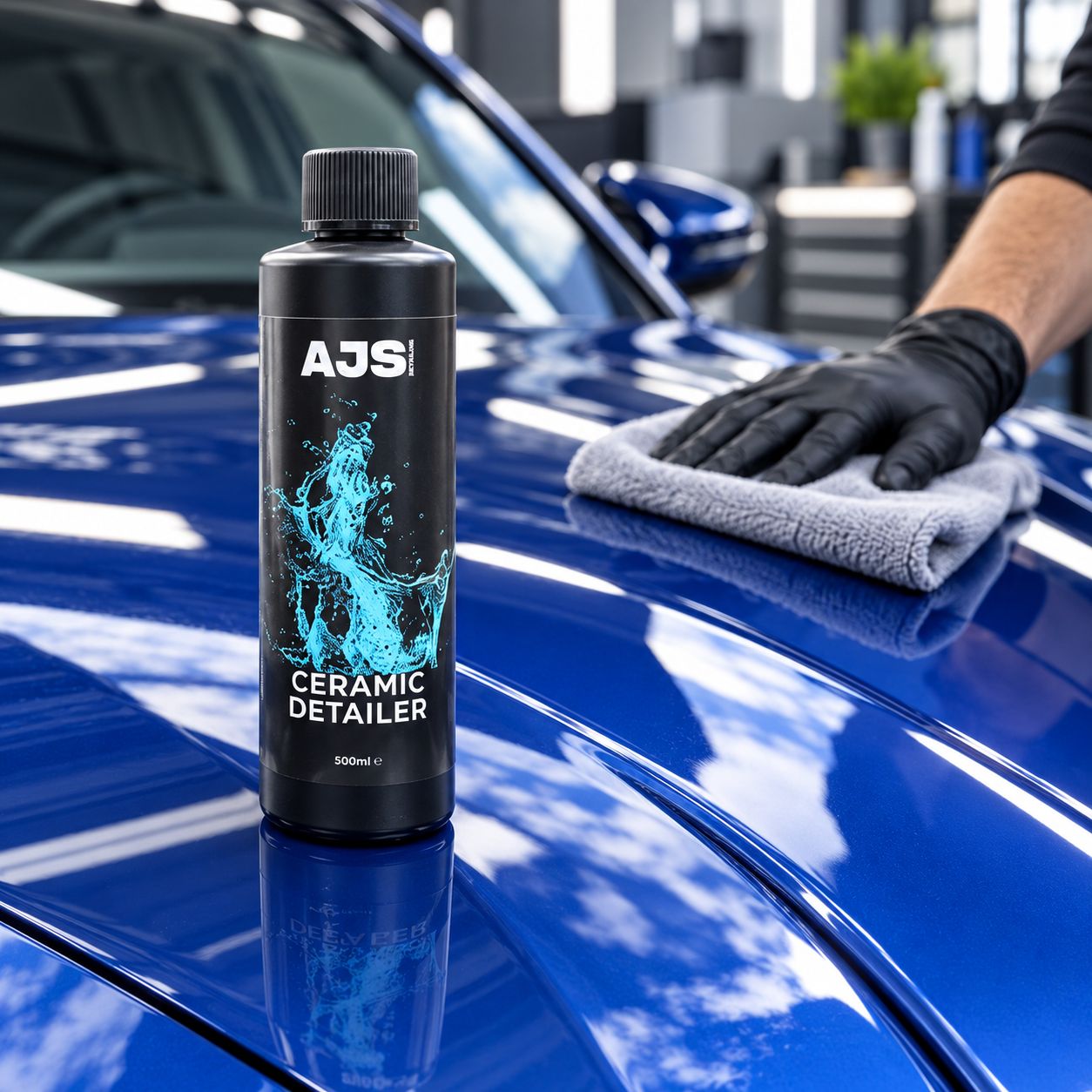
Water beading looks satisfying, but a finishing spray is not a substitute for washing. Clean and dry the paint first, then use protection that suits the surface and any existing treatment.
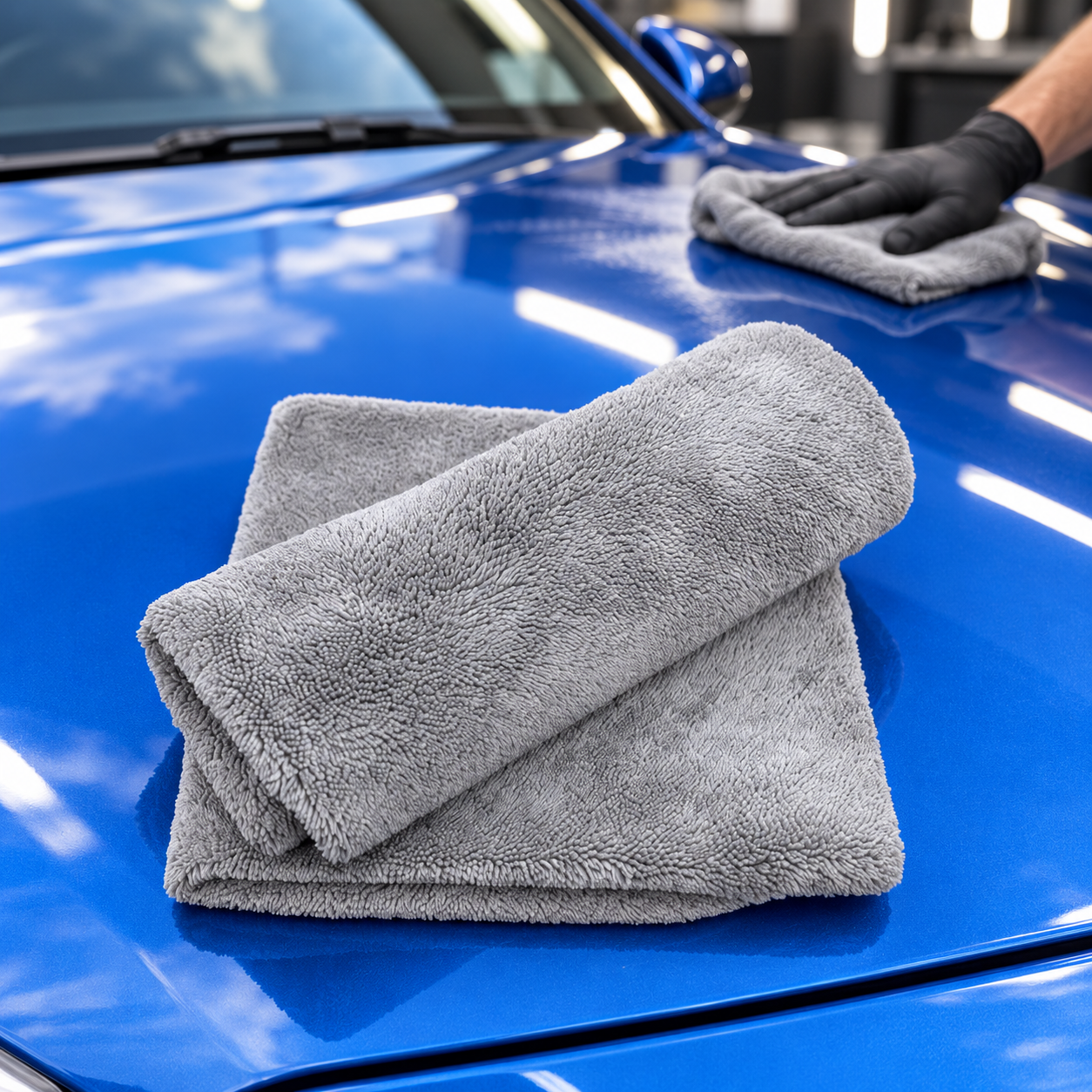
AJS Ceramic Detailer is described as adding gloss and a hydrophobic finish. The directions say to lightly mist a clean dry panel or cloth, spread evenly and buff with a fresh towel. More product is not automatically better. It does not make paint immune to grit or remove the need for regular washing, and this guide promises no fixed protection lifespan.
7. Guessing the mixture because winter dirt looks tougher
A stronger mixture is not a universal shortcut. Different products have different dilution, dwell and surface requirements. Measure only where dilution is specified, never mix cleaning chemicals and follow the supplied label if it differs from a web summary. Wear the protection it recommends.
Do not wash when rinse water could freeze on the vehicle or ground. Pick a safer weather window instead. A careful short wash beats a rushed one with unsuitable conditions.
Before you begin
- Check the weather and product labels.
- Separate wheel, paint and glass cloths.
- Loosen dirt before contact washing.
- Keep products from drying on surfaces.
- Dry and inspect before adding protection.